Natural-born citizen example
There is consensus among academics that those born on American soil, except children born to foreign ambassadors or to hostile soldiers on U.S. territory, both of whom owe allegiance to a different sovereign, are natural born citizens, or jus soli, regardless of parental citizenship status. Natural-born-citizen clause (United States) - Wikipedia This is an accepted version of this page This is the latest accepted revision, reviewed on 13 January 2025. Clause of the US Constitution specifying natural born US citizenship to run for President Status as a natural-born citizen of the United States is one of the eligibility requirements established in the United States Constitution for holding the office of president or vice president. This.The 14th Amendment: What it says about birthright ... - CNN The native-born population of each state in the United States provides insight into the demographic composition and historical roots of different regions. According to recent data, Louisiana boasts one of the highest percentages of native-born residents, with approximately 79.81% to 98.07% of its population being native-born.Nativism, immigration, and the Know-Nothing party - Smarthistory States that frequently have the highest share of foreign-born residents are New York (13 times), New Jersey (10 times), and California (9 times). While the majority of children under the age of 18 lived with native-born parents (69.7 per- cent), over a quarter (26.3 percent) lived with at least one foreign-born parent. Who were the first native americans?
Birthright citizenship was later extended to U.S.-born Native American subjects by the Indian Citizenship Act of Federal law also grants birthright citizenship to children born elsewhere in the world to U.S. citizens (with certain exceptions), known as jus sanguinis ("right of blood").
Native american today
A person born in the United States who is subject to the jurisdiction of the United States is a U.S. citizen at birth, to include a child born to a member of an Indian, Eskimo, Aleutian, or other aboriginal tribe. The Census Bureau uses the term native to refer to. Between 2012 and 2018, naturalized citizens (people born as non-citizens who have acquired American citizenship) grew from 6% to 7% of the total population. Although both the number of non-citizens and native-born people fell (by 0.3 and 0.7 percentage points, respectively) the nation experienced a net increase in the foreign-born population.
www.census.gov › data › academy › resources › one-pagers › native-born-. Native-born population: The most striking feature of the native age-sex pyramid is the “baby boom,” the increase in the number of people born after World War II, between 1946 and 1964. In 2023, baby boomers were between ages 59 and 77, as can be seen by the relatively large size of those age groups in the age-sex pyramid.
Why are native americans called indians
According to recent data, Louisiana boasts one of the highest percentages of native-born residents, with approximately % to % of its population being native-born. States like Michigan, Ohio, and Mississippi also have significant native-born populations, ranging from % to %. Native american tribes list
a person born in the United States to a member of an Indian, Eskimo, Aleutian, or other aboriginal tribe: Provided, That the granting of citizenship under this subsection shall not in any manner impair or otherwise affect the right of such person to tribal or other property;. Natural born citizen
Native born residents are predominantly non-Hispanic white people. Compared to the total population, Hispanic and Asian populations are highly represented in both naturalized citizens and non-citizen groups. Men and women are nearly equally represented between native-born citizens and non-citizens. 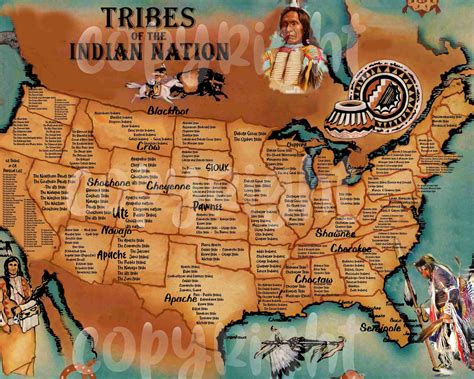
Native american tribes
Native Americans (also called American Indians, First Americans, or Indigenous Americans) are the Indigenous peoples of the United States, particularly of the lower 48 states and Alaska. They may also include any Americans whose origins lie in any of the indigenous peoples of North or South America.